
Personal Finance
How to Build a Monthly Budget You’ll Actually Stick To
A practical, step-by-step method for building a monthly budget: track real spending, choose a framework like 50/30/20, and keep it going without burning out.
4 min read
Personal finance · 5 guides
A budget is not a restriction — it is a plan that lets you spend on what matters without worrying about the rest. These guides show how to build one from your take-home pay, keep it realistic, and run it for a whole household.
Personal Finance
A practical, step-by-step method for building a monthly budget: track real spending, choose a framework like 50/30/20, and keep it going without burning out.
4 min read
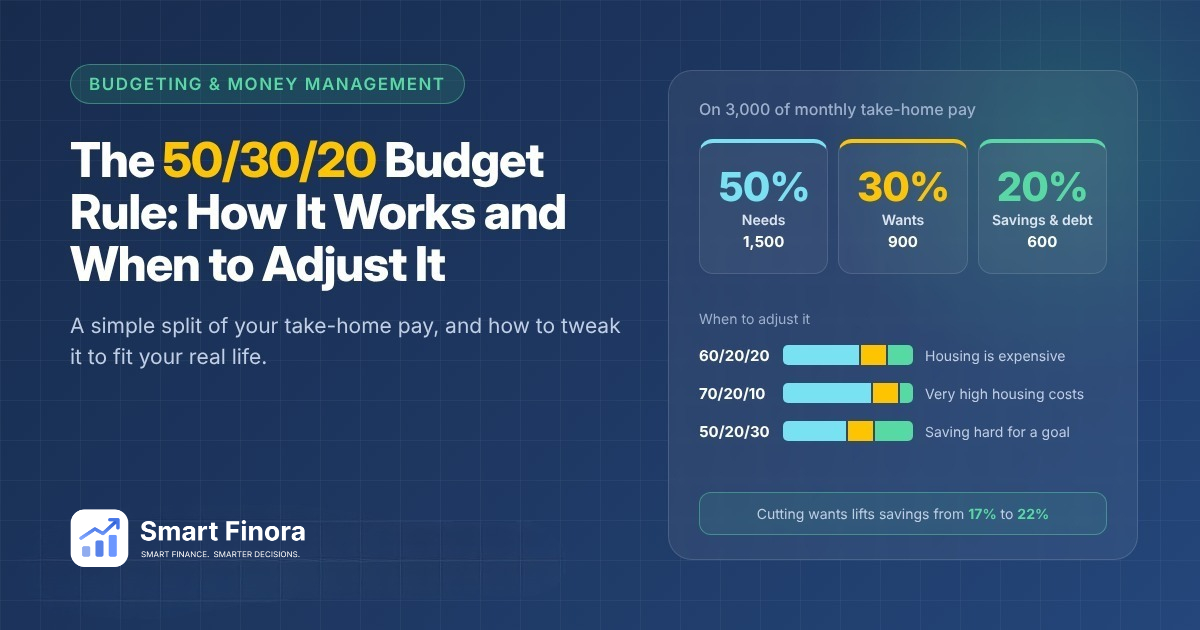
Budgeting & Money Management
How the 50/30/20 rule splits take-home pay into needs, wants and savings, what belongs in each bucket, and how to adapt it when your costs don’t fit.
4 min read
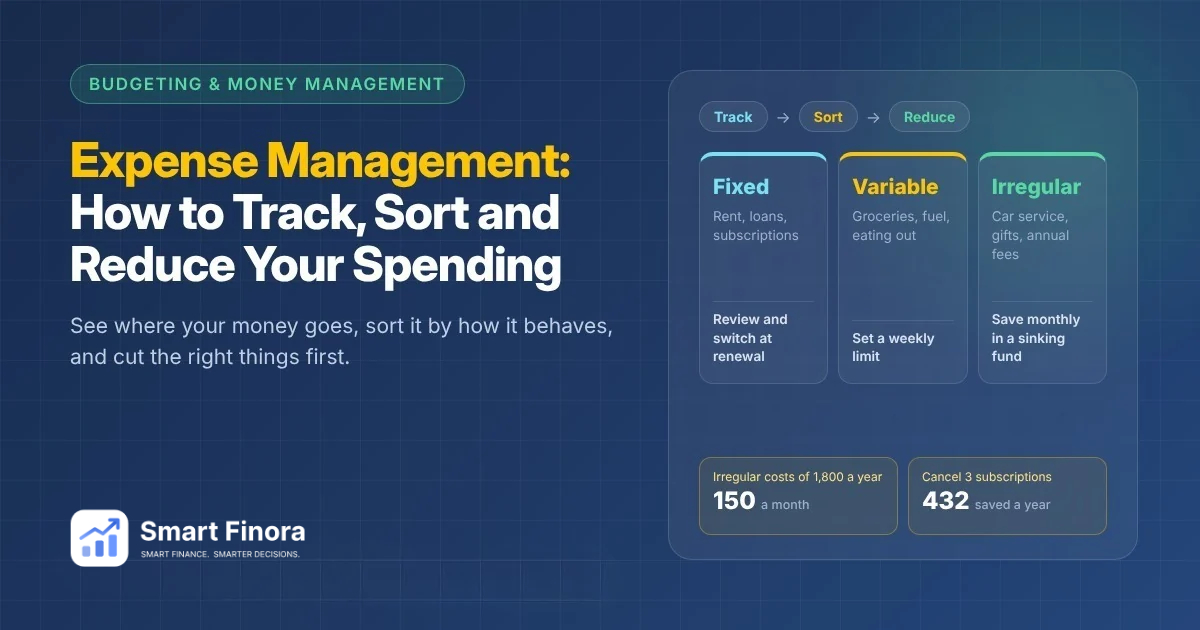
Budgeting & Money Management
A practical system for managing personal expenses: choose a tracking method, separate fixed, variable and irregular costs, and cut spending where it counts.
3 min read
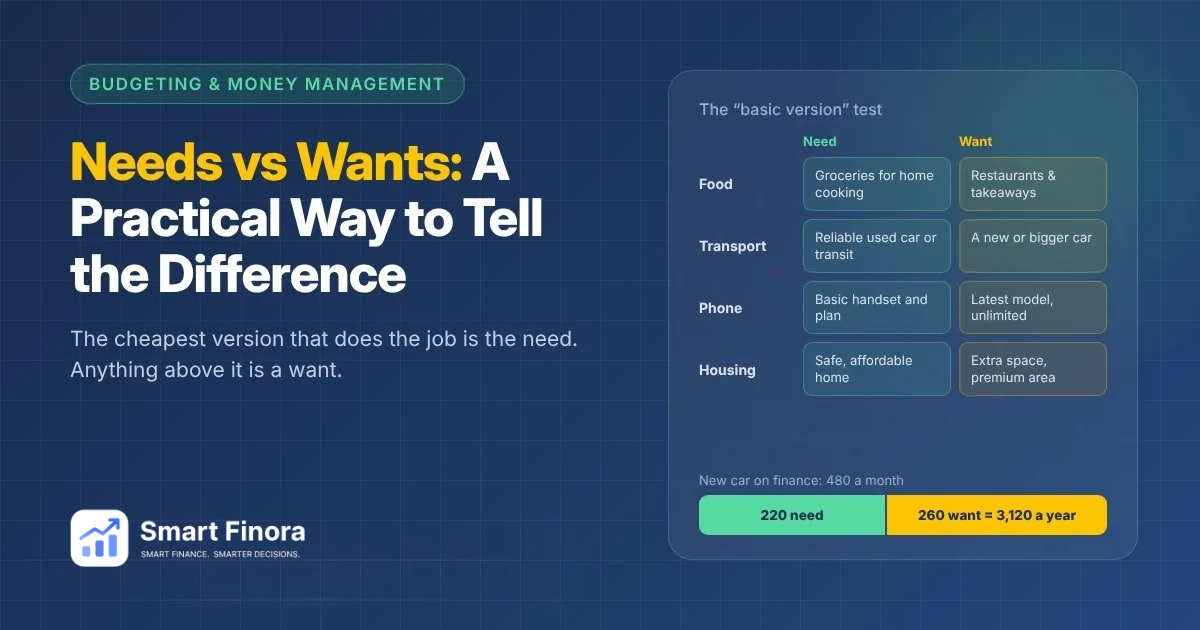
Budgeting & Money Management
How to tell needs from wants when budgeting, with a simple test for grey areas, five questions to ask before buying, and why wants still deserve a place.
3 min read
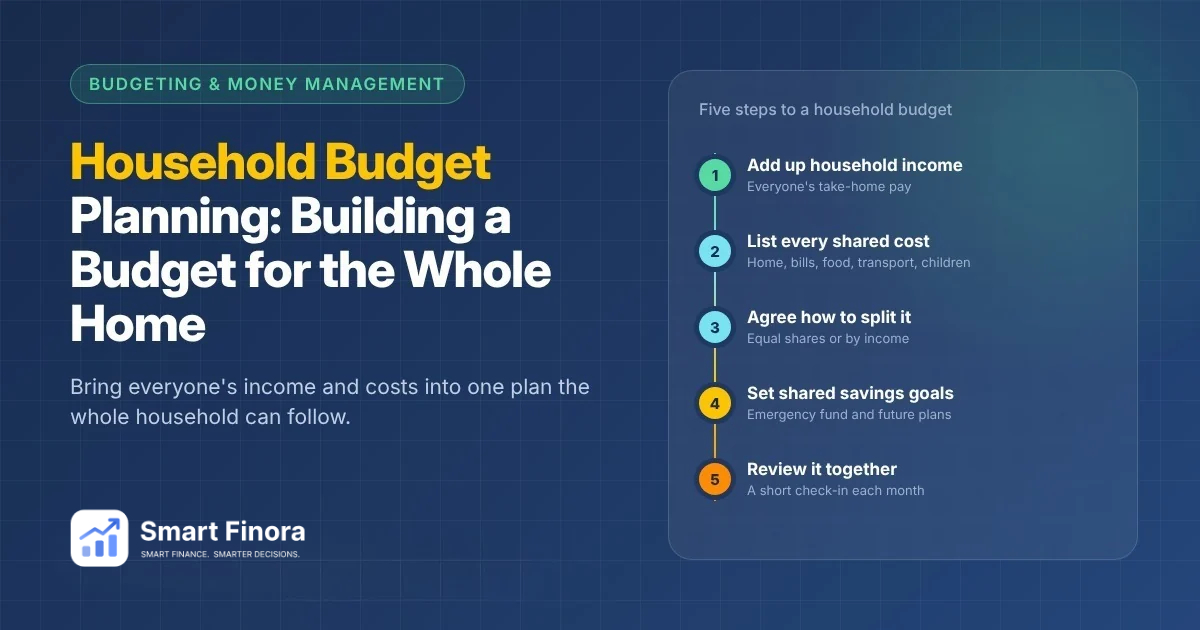
Budgeting & Money Management
How to plan a household budget: combine incomes, split shared costs fairly, budget for children and irregular bills, and keep everyone involved.
3 min read
Run your own numbers — free, private and in six currencies.
Split your take-home pay into needs, wants and savings — and compare it with what you spend now.
Build a monthly budget and compare it with the 50/30/20 rule.
Find your true monthly cost of living, including bills you pay only once or twice a year.
The 50/30/20 rule is a simple start: about half of take-home pay for needs, 30% for wants and 20% for savings and extra debt repayment. Once you know your real numbers, adjust the split to fit your costs of living.
A short check each month is enough for most people, plus a fuller review whenever your income, rent or household changes.