Skip to content

Personal Loan Calculator

Personal loans often carry an origination fee taken from the amount you receive. This calculator shows your monthly payment, the total cost of borrowing, and the effective APR once the fee is included — useful for comparing offers.

  • Private — runs in your browser
  • Formula explained

Enter your details

$
%
years
%

A percentage of the loan deducted before you receive the money. Use 0 if there is no fee.

Calculated in your browser. Your numbers are never sent or stored.

Monthly payment

$327.39

Total interest
$1,786
Origination fee
$200
Amount you receive
$9,800
Effective APR (incl. fee)
12.4%
Total cost of borrowing

Year-by-year amortization schedule

Swipe the table sideways to see every column.

YearPrincipal paidInterest paidRemaining balance
1$2,976$953$7,024
2$3,320$609$3,704
3$3,704$224$0

How to use the Personal Loan Calculator

  1. 1Enter the amount you want to borrow.
  2. 2Enter the interest rate from the lender’s offer.
  3. 3Set the term and any origination fee.
  4. 4Press Calculate and compare the effective APR across offers.

Formula

M = P × r × (1 + r)ⁿ ÷ [(1 + r)ⁿ − 1]

M
fixed monthly payment
P
amount borrowed (principal)
r
monthly interest rate = annual rate ÷ 12 ÷ 100
n
number of monthly payments

This is the standard amortization formula used for reducing-balance loans. Each month, interest is charged on the outstanding balance and the rest of the payment reduces the principal. Early payments are mostly interest; later payments are mostly principal. When the interest rate is 0%, the payment is simply P ÷ n. The effective APR is the rate at which the present value of all payments equals the amount you actually receive (loan amount minus the fee). It is solved numerically.

Example calculation

A $10,000 loan at 12% for 3 years costs $332.14 a month. With a 3% fee you receive only $9,700, which lifts the effective APR to about 14.13%.

Assumptions and limitations

  • Fixed rate and fixed monthly payments.
  • The fee is deducted from the loan proceeds (not added to the balance).

Frequently asked questions

What is the difference between interest rate and APR?

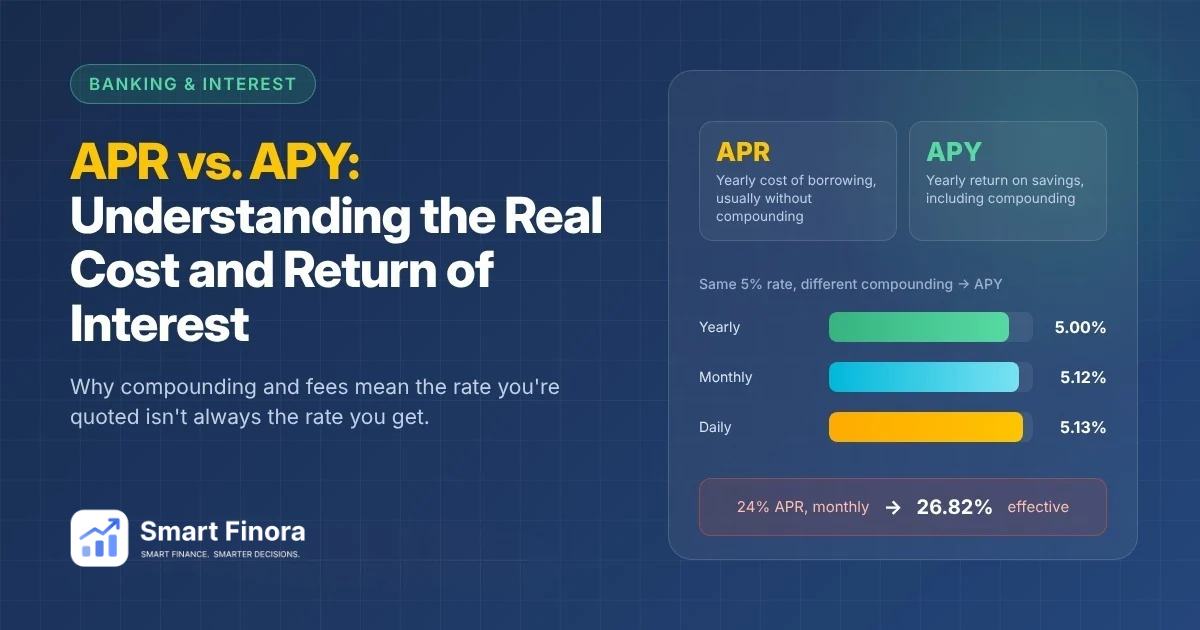
The interest rate is the cost of borrowing the principal. APR also includes certain fees, so it shows the true yearly cost. When a loan has an origination fee, the APR is higher than the rate.

What credit score do I need for a personal loan?

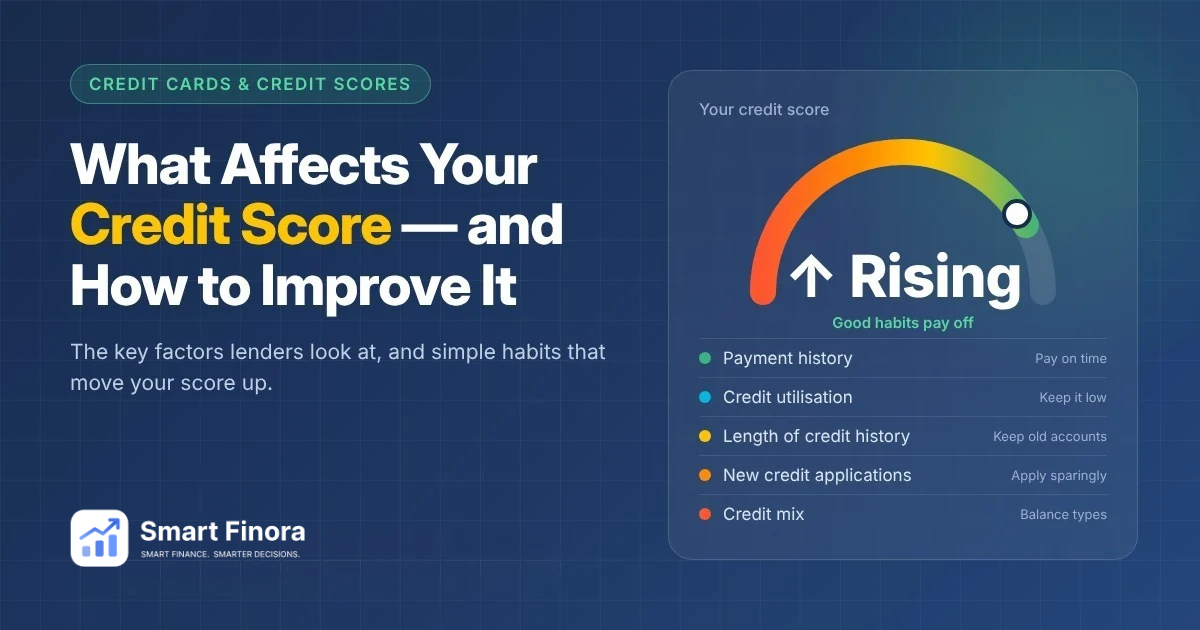
Requirements vary by lender. Better scores usually qualify for lower rates. Our guide to credit scores explains the main factors lenders look at.

Will my lender charge exactly this amount?

The result is a close estimate using the standard formula. Lenders may round differently, use a different day-count method, or add fees and insurance, so your loan agreement shows the final figure.

Learn more

Debt & Credit Management

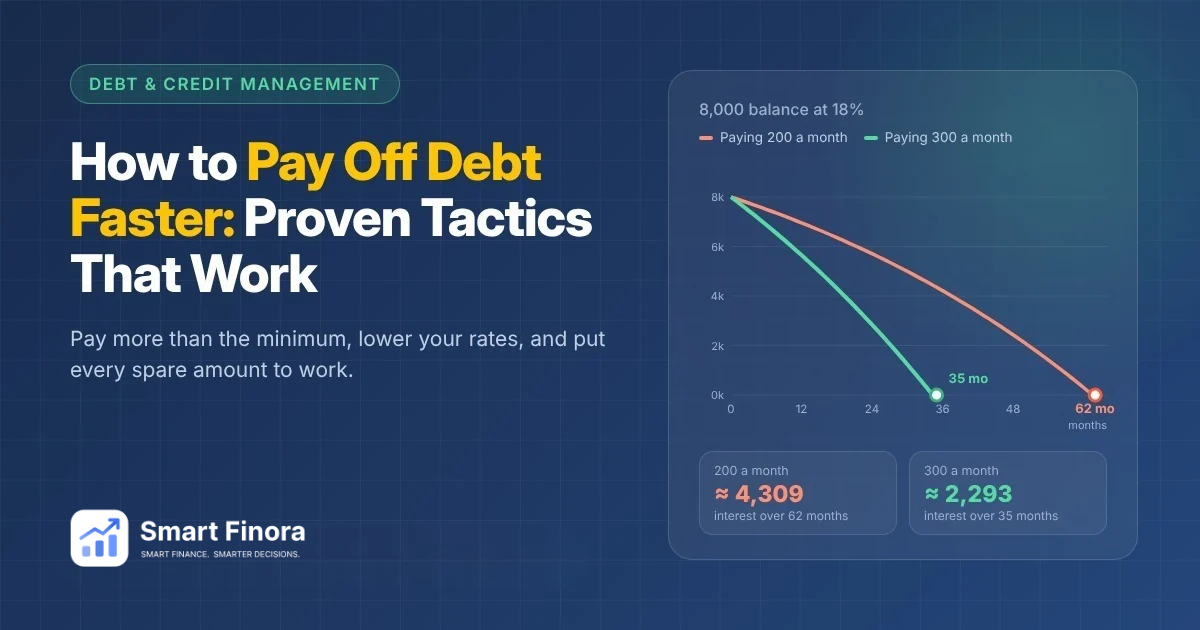
How to Pay Off Debt Faster: Proven Tactics That Work

Practical ways to pay off debt faster: pay more than the minimum, choose a payoff method, lower your interest rates, use windfalls and stop new borrowing.

3 min read